You know that feeling when something’s a little off, but you can’t quite put your finger on it? Maybe you’re more tired than usual. Maybe your appetite’s changed. You tell yourself it’s just stress, or a bad week, and you move on.
Here’s the thing — a lot of the most common warning signs of health problems show up exactly like that. Quiet. Easy to dismiss. And that’s precisely why so many people miss them until a small issue turns into a big one. In 2026, with so much health information a click away, there’s really no excuse to keep ignoring what your body is trying to tell you.
I’ve had friends who put off a doctor’s visit for months because “it’s probably nothing,” only to find out it very much was something. So let’s go through the signs that actually deserve your attention.
1. Unexplained Weight Loss or Gain
Quick answer: Losing or gaining more than 5% of your body weight in six months without changing your diet or exercise routine is one of the clearest warning signs of health problems, often linked to thyroid issues, diabetes, or in rarer cases, something more serious.
If your jeans suddenly fit differently and you haven’t changed a thing about how you eat or move, that’s worth a conversation with a doctor. Thyroid disorders are incredibly common in India, especially among women, and they mess with weight in both directions.
- Sudden weight loss: could point to hyperthyroidism, undiagnosed diabetes, or digestive issues
- Sudden weight gain: often linked to hypothyroidism, PCOS, or hormonal shifts
- Either way, a simple blood test usually clears things up fast
2. Persistent Fatigue That Sleep Doesn’t Fix
We all get tired. But there’s a difference between “I stayed up late watching a show” tired and the kind of exhaustion that doesn’t budge no matter how much you sleep. That second kind is one of the more overlooked warning signs of health problems — anemia, sleep apnea, depression, and heart issues can all hide behind chronic fatigue.
I’ve noticed people tend to normalize this one the most. “I’m just busy” becomes the go-to explanation for years sometimes. If you’re waking up tired after 7-8 hours of sleep consistently, get your iron and thyroid levels checked before assuming it’s just lifestyle.
3. Changes in Bathroom Habits
Nobody loves talking about this, but changes in bowel or bladder habits that stick around for more than a couple of weeks genuinely matter. Blood in stool or urine, persistent constipation or diarrhea, or a sudden urge to urinate frequently at night — these aren’t things to Google and forget about.
- Blood in stool: never normal, always get it checked
- Frequent night urination: could signal diabetes or prostate issues in men
- Alternating constipation and diarrhea: sometimes linked to IBS, sometimes something that needs imaging
4. Skin Changes You Can’t Explain
Your skin is basically a billboard for what’s happening inside your body. New moles, moles that change shape or color, unusual rashes that won’t go, or yellowing of the skin and eyes (jaundice) all fall into this category.
Picture a college student in Jaipur who notices a mole on his arm has gotten darker over three months. Easy to shrug off. But that kind of change is exactly what dermatologists want to catch early — the earlier, the better the outcome, almost always.
5. Shortness of Breath With Normal Activity
If climbing one flight of stairs suddenly leaves you winded when it never used to, pay attention. This is one of those warning signs of health problems connected to the heart and lungs that people write off as “being out of shape” — and sometimes it really is just that. But sometimes it’s early heart disease or anemia.
Quick answer: Shortness of breath during activities that used to feel easy is a red flag for cardiovascular or lung issues and should prompt a checkup within days, not months.
6. Chest Discomfort, Even Mild
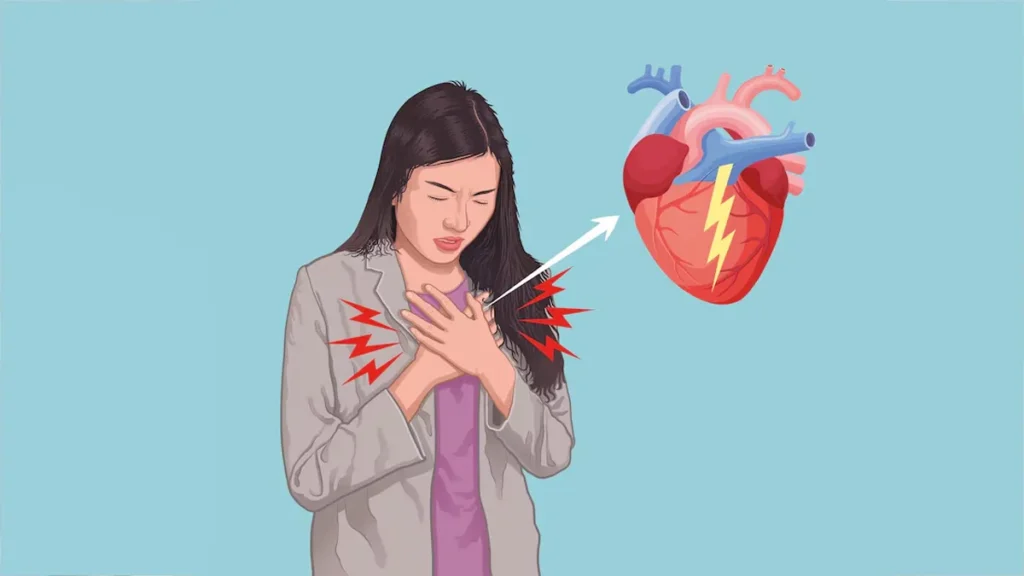
Not every heart problem announces itself with dramatic Bollywood-style chest-clutching pain. Sometimes it’s a dull pressure, a tightness, or discomfort that spreads to the jaw or arm. Women especially tend to get milder, more easily-dismissed symptoms.
- Tightness or pressure lasting more than a few minutes: seek help immediately
- Discomfort that comes with sweating or nausea: don’t wait, go to the ER
- Occasional mild chest twinges with no other symptoms: still worth mentioning to your doctor at your next visit
7. Persistent Headaches or Vision Changes
An occasional headache is normal life. Headaches that are new, worsening, or paired with vision changes, however, deserve real attention. [link to related guide about migraine management here]
8. Swelling in Legs or Ankles
Swelling that doesn’t go down after a day, especially if it’s in one leg only, can point to circulation problems or even a blood clot. This is one warning sign people genuinely underestimate — I’ve seen relatives ice a swollen ankle for a week before finally getting it looked at, when it turned out to be something that needed treatment right away.
9. Mood or Personality Changes
Health problems aren’t always physical. Sudden irritability, withdrawal from people you usually enjoy being around, or a flat, “nothing matters” feeling that sticks for weeks can be signs of depression, thyroid imbalance, or other underlying issues. [link to related mental health guide here]
10. A Family History You’re Ignoring
This last one isn’t a symptom exactly, but it changes how seriously you should take the others. If heart disease, diabetes, or certain cancers run in your family, the same “minor” symptom that’s fine for someone else might not be fine for you. Know your family history and mention it to your doctor.
FAQ
Q: What are the earliest warning signs of health problems most people miss? Fatigue, subtle weight changes, and changes in sleep patterns are usually first. They’re easy to blame on a busy schedule, which is exactly why they get missed.
Q: When should I actually go see a doctor instead of waiting it out? If a symptom lasts more than two weeks, keeps getting worse, or comes with chest pain, breathing trouble, or sudden vision changes, don’t wait — book an appointment or go to urgent care.
Q: Can stress alone cause physical symptoms like fatigue or stomach issues? Yes, absolutely, stress can cause real physical symptoms. But that doesn’t mean you should assume that’s the cause without ruling out other things first, especially if symptoms persist.
Q: Are annual checkups really necessary if I feel fine? Yes. Many conditions like high blood pressure, diabetes, and thyroid issues have no symptoms in the early stages. [link to annual health checkup guide here]
Q: Is it normal for symptoms to come and go? Some conditions do fluctuate, but “coming and going” isn’t a reason to ignore something long-term. Keep a simple log of when symptoms happen so you can share a clear picture with your doctor.
Q: How much does a full-body checkup cost in India in 2026? Basic packages typically range from ₹1,500 to ₹5,000 depending on the city and lab, while more comprehensive packages with imaging can go higher.
Alt text suggestions:
- “Doctor reviewing patient symptoms checklist in clinic”
- “Person checking blood pressure at home”
- “Close-up of a health checkup report with test results”
Conclusion
Your body rarely stays quiet about a real problem — it usually gives you small nudges first. The trick is not brushing those nudges off as “nothing” for months on end. None of these ten signs mean you definitely have something serious, but every one of them is a good enough reason to get checked rather than guess. If even one of these sounds familiar right now, don’t wait for it to get louder — book that appointment this week.