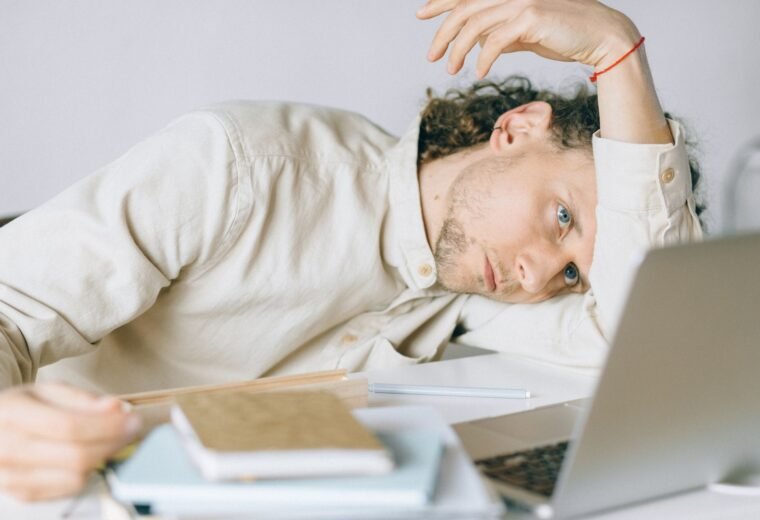
There’s a particular kind of tired that has nothing to do with sleep. You could get eight full hours and still wake up feeling mentally drained, wound up, or on edge before the day’s even started. If that sounds familiar, you’re definitely not alone in this.
Learning how to manage stress and anxiety in daily life isn’t about eliminating stress entirely — that’s not realistic, and honestly some stress is a normal part of life. It’s about building tools that keep it from taking over.
Understanding the Difference Between Stress and Anxiety
Quick answer: Stress is typically a response to an external, identifiable pressure (like a deadline), while anxiety often persists even without a clear immediate cause and can feel more free-floating or constant.
Stress usually has a source — a work deadline, a family situation, financial pressure. Anxiety can feel less tied to anything specific, showing up as constant worry, physical tension, or a racing mind even when things are objectively fine. Both deserve real attention, and honestly, they often overlap and feed into each other.
Notice the Physical Signs First
A lot of people don’t realize how much stress and anxiety show up physically before they register mentally.
- Tight shoulders or jaw clenching
- Shallow, quick breathing
- Stomach issues or appetite changes
- Difficulty falling or staying asleep
- Restlessness or feeling constantly “on edge”
I’ve noticed that catching these physical signals early — before the mental spiral fully kicks in — makes a real difference in how manageable things feel.
Breathing Techniques That Actually Work
Quick answer: Slow, deep breathing — particularly exhaling longer than you inhale — activates the body’s parasympathetic nervous system, which can measurably lower heart rate and reduce acute anxiety within minutes.
- 4-7-8 breathing: inhale for 4 seconds, hold for 7, exhale for 8
- Box breathing: inhale for 4, hold for 4, exhale for 4, hold for 4
- Simple long exhale: just focus on making your exhale longer than your inhale for a minute or two
This isn’t just relaxation talk — it’s genuine physiology. Longer exhales signal safety to your nervous system.
Build in Movement, Even Small Amounts
Exercise doesn’t need to be intense to help with stress and anxiety. A 15-minute walk, especially outdoors, measurably reduces cortisol levels for most people. [link to related fitness guide here]
- Morning walk, even short, before the day gets busy
- Stretching breaks during long work sessions
- Any physical activity you actually enjoy, rather than something you’re forcing
Limit the Inputs That Fuel Anxiety
Picture someone starting their day by scrolling through news headlines about problems they have zero control over, before they’ve even had breakfast. That’s a pattern worth examining honestly.
- Reduce news and social media consumption, especially first thing in the morning
- Notice which specific accounts, shows, or content genuinely raise your anxiety levels
- It’s okay to mute or unfollow things that consistently make you feel worse
Talk to Someone — Really Talk
This sounds obvious, but a lot of people skip it. Whether it’s a friend, family member, or a therapist, actually voicing what’s stressing you out — out loud, to another person — tends to reduce its intensity in a way that just thinking about it doesn’t.
- A trusted friend or family member for everyday stress
- A therapist or counselor for persistent or overwhelming anxiety
- Support groups, in person or online, for shared experiences
Has this ever happened to you — where saying a worry out loud made it feel smaller than it did in your head? That’s a real, common experience, not a coincidence.
When to Seek Professional Help
Quick answer: If stress or anxiety is interfering with your sleep, work, relationships, or daily functioning for more than a couple of weeks, it’s a good sign to consult a mental health professional rather than trying to manage it alone.
- Anxiety that feels constant, not tied to a specific event
- Physical symptoms like a racing heart or chest tightness with no medical cause found
- Withdrawal from friends, family, or activities you usually enjoy
- Difficulty functioning at work or in daily tasks
Reaching out for professional help isn’t a last resort or a sign of failure — it’s simply one more legitimate tool, the same as any other on this list.
Small Daily Habits That Add Up
- Keep a short gratitude or worry journal — even 3 lines a day
- Set boundaries around work hours where possible
- Prioritize consistent sleep timing over everything else
- Build in small breaks throughout the day, not just at the end
FAQ
Q: What is the fastest way to calm down during a panic or anxiety spike? Slow, controlled breathing with a longer exhale than inhale, combined with grounding techniques like naming five things you can see, tends to help most quickly in the moment.
Q: Can stress and anxiety cause physical symptoms like stomach pain? Yes, stress and anxiety commonly cause physical symptoms including stomach issues, headaches, muscle tension, and fatigue — this connection is well documented.
Q: How do I know if my anxiety needs professional treatment? If anxiety is persistent, interferes with daily functioning, sleep, or relationships for more than a couple of weeks, it’s a reasonable point to consult a professional.
Q: Does exercise really help with anxiety, or is that overstated? No, it’s genuinely well-supported — regular physical activity has consistently shown measurable reductions in anxiety symptoms across many studies.
Q: Is it normal to feel anxious without a clear reason? Yes, this is common and doesn’t mean something is fundamentally wrong — anxiety can build from accumulated stress, sleep deprivation, or other factors that aren’t always obvious in the moment.
Q: Can diet affect anxiety levels? Diet can play a role — excessive caffeine and sugar can worsen anxiety symptoms for some people, while balanced nutrition and stable blood sugar generally support better mood regulation.
Alt text suggestions:
- “Person practicing deep breathing exercise outdoors”
- “Journal and pen for stress and anxiety tracking”
- “Person talking to a therapist in a counseling session”
Conclusion
Managing stress and anxiety in daily life isn’t about achieving some permanently calm state — it’s about building a set of tools you can actually reach for when things get overwhelming. Start with just one technique from this list, whether that’s a breathing exercise or a short daily walk, and give it a genuine week before judging whether it’s helping. And if things feel bigger than you can manage alone, reaching out for support is always a reasonable next step.