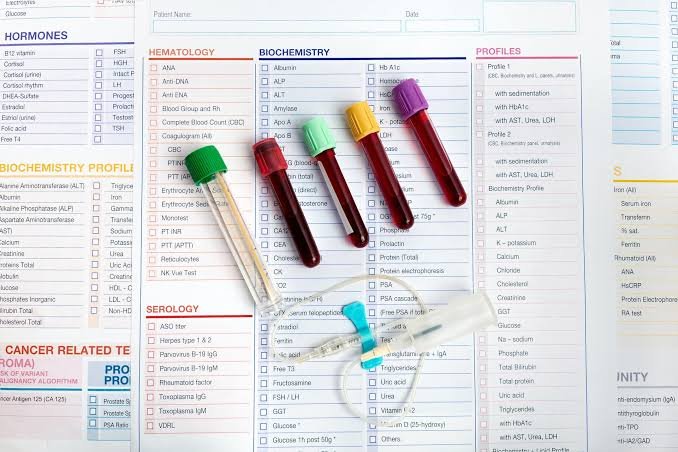
You get your blood test results back, and it’s a wall of abbreviations, numbers, and reference ranges that might as well be in another language. RBC, WBC, HbA1c, LDL — most people just skip to whether anything is highlighted in red and hope for the best.
This blood test report explained guide is here to change that. You don’t need a medical degree to understand your own bloodwork — you just need someone to walk you through it in plain language, once.
Why Understanding Your Report Actually Matters
Quick answer: Understanding your blood test report helps you ask better questions, catch errors, and actually follow through on lifestyle changes, instead of just nodding along when a doctor mentions a number you don’t understand.
I’ve sat in appointments where the doctor rattles off numbers in under two minutes, and honestly, most people retain almost none of it. Knowing what your own report says means you walk out actually understanding your health, not just trusting that someone else does.
Complete Blood Count (CBC): The Basics
The CBC is probably the most commonly ordered test, and it covers a lot of ground.
- Hemoglobin (Hb): Normal range roughly 13-17 g/dL for men, 12-15 g/dL for women. Low levels often mean anemia.
- WBC (White Blood Cells): Normal range roughly 4,000-11,000/µL. High levels can indicate infection; low levels can mean immune issues.
- Platelets: Normal range roughly 150,000-450,000/µL. Important for blood clotting.
- RBC count: Reflects how many red blood cells you have, tied closely to hemoglobin.
If your hemoglobin comes back low, that’s often the first sign of iron-deficiency anemia, extremely common among women in India due to diet and menstruation.
Blood Sugar: Fasting, PP, and HbA1c
- Fasting blood sugar: Normal is under 100 mg/dL; 100-125 is prediabetic range; 126+ suggests diabetes
- Postprandial (PP) sugar: Taken 2 hours after eating, normal is under 140 mg/dL
- HbA1c: Reflects average blood sugar over 2-3 months. Under 5.7% is normal, 5.7-6.4% is prediabetic, 6.5%+ suggests diabetes
The HbA1c is honestly the most useful of the three for tracking trends, since it isn’t affected by what you ate that morning.
Lipid Profile: Cholesterol Numbers Explained
Quick answer: A healthy lipid profile generally means total cholesterol under 200 mg/dL, LDL (“bad” cholesterol) under 100 mg/dL, HDL (“good” cholesterol) above 40-60 mg/dL, and triglycerides under 150 mg/dL, though your doctor may adjust targets based on your personal risk factors.
- Total cholesterol: under 200 mg/dL is desirable
- LDL: the one you want low — under 100 mg/dL is ideal for most people
- HDL: the one you want higher — it actually helps protect your heart
- Triglycerides: under 150 mg/dL is normal
Picture someone whose LDL comes back at 145. That’s not a crisis, but it is a clear signal to look at diet and activity levels before it climbs further.
Liver and Kidney Function Tests
- SGPT/ALT and SGOT/AST: Liver enzymes, normal roughly 7-56 U/L, elevated levels can indicate liver stress, sometimes from alcohol, medication, or fatty liver
- Creatinine: Normal roughly 0.6-1.3 mg/dL, reflects kidney function
- Urea/BUN: Works alongside creatinine to assess kidney health
Fatty liver has become surprisingly common, partly linked to lifestyle and diet trends. Mildly elevated liver enzymes aren’t automatically alarming, but they’re worth mentioning and monitoring.
Thyroid Function Test (TSH)
TSH normal range is generally 0.4-4.0 mIU/L, though labs vary slightly. A high TSH usually means an underactive thyroid (hypothyroidism); a low TSH usually means an overactive thyroid (hyperthyroidism). This test alone is often enough for initial screening — further tests like T3 and T4 come next if something’s off. [link to related women’s health guide here]
Vitamin D and B12: The Deficiencies Everyone Has
Vitamin D deficiency is remarkably common in India, ironically, despite plenty of sunshine — largely due to indoor lifestyles and pollution. Normal vitamin D is generally above 30 ng/mL, and B12 deficiency, especially among vegetarians, is worth checking if fatigue is a recurring issue.
What “Reference Range” Actually Means
One thing that trips people up: the “normal range” printed on your report is a general population average, not a personalized target. Your doctor interprets your number in the context of your age, symptoms, and history — a number slightly outside the range isn’t automatically a problem, and one inside the range isn’t automatically fine either.
FAQ
Q: What does a high WBC count mean on a blood test? A high white blood cell count usually indicates the body is fighting an infection or inflammation, though it can occasionally have other causes your doctor will investigate.
Q: How accurate are home blood test kits compared to lab tests? Home kits are generally reasonable for basic screening like blood sugar, but lab tests are more accurate and comprehensive for a full picture, especially for less common markers.
Q: Do I need to fast before every blood test? No — only tests like fasting blood sugar and lipid profile typically require fasting; a CBC or thyroid test usually doesn’t.
Q: What should I do if a value on my report is highlighted as abnormal? Don’t panic — bring the report to your doctor for context, since a single mildly abnormal value is often not significant on its own.
Q: How often should I repeat a blood test if something was borderline? Usually every 3-6 months for borderline results, though your doctor may recommend a different timeline based on the specific marker.
Q: Can dehydration affect blood test results? Yes, dehydration can temporarily skew certain values like hemoglobin and kidney function markers, so drinking water normally before a test (unless fasting is required) is a good idea.
Alt text suggestions:
- “Person reading blood test report with doctor”
- “Close-up of blood test report showing CBC values”
- “Lab report with lipid profile results highlighted”
Conclusion
A blood test report doesn’t have to feel like a foreign language once you know what the major numbers actually mean. You don’t need to memorize every abbreviation — just understanding hemoglobin, blood sugar, cholesterol, and thyroid basics covers most of what matters for everyday health tracking. Next time you get results back, take five extra minutes to actually read through them instead of just checking for red flags — it’s worth it.