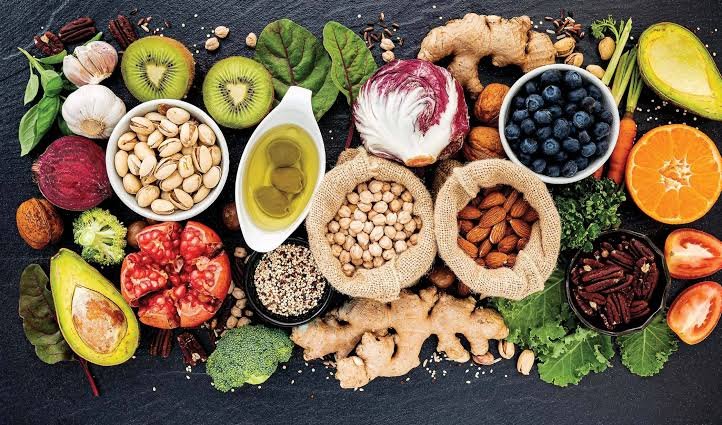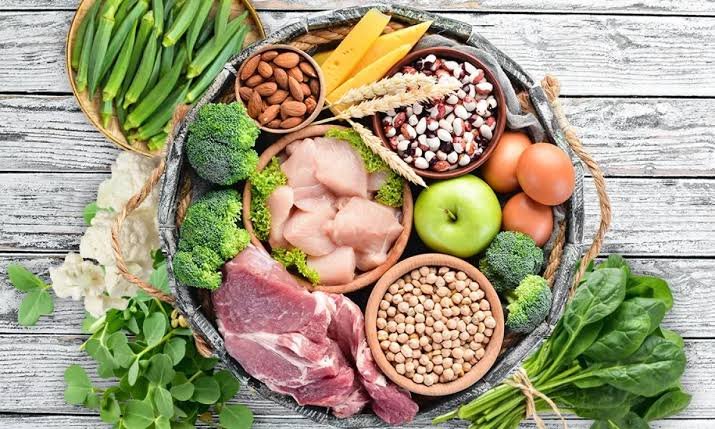
“But where do vegetarians get their protein?” is a question every vegetarian in India has heard roughly a thousand times, usually from someone who’s never actually looked at a dal recipe closely. The truth is, hitting your protein needs on a vegetarian diet is entirely doable — it just takes a bit more intention than simply grilling a chicken breast.
Let’s go through the actual high protein vegetarian foods that work well within a typical Indian diet, without needing to rely heavily on expensive supplements or imported products.
How Much Protein Do You Actually Need?
Quick answer: Most sedentary adults need roughly 0.8-1 gram of protein per kilogram of body weight daily, while active individuals or those trying to build muscle typically need 1.2-1.6 grams per kilogram.
For a 65 kg adult, that translates to roughly 52-65 grams a day for general health, or up to 100+ grams if strength training regularly. That sounds like a lot until you actually break down what a typical thali contains.
Dals and Legumes: The Backbone
- Moong dal: roughly 24g protein per 100g (dry, uncooked)
- Chana (chickpeas): roughly 19g protein per 100g
- Rajma (kidney beans): roughly 24g protein per 100g
- Toor dal: roughly 22g protein per 100g
- Masoor dal: roughly 25g protein per 100g
Dals are honestly the unsung hero of vegetarian protein in India. A generous bowl of dal with rice or roti, eaten daily, contributes meaningfully toward your protein target without you even thinking about it.
Dairy: An Often Underrated Source
- Paneer: roughly 18g protein per 100g
- Greek yogurt or hung curd: roughly 10g protein per 100g
- Regular curd/dahi: roughly 3-4g protein per 100g
- Milk: roughly 3.4g protein per 100ml
Picture a simple dinner of paneer bhurji with two rotis — that alone can pack in 20-25 grams of protein, which is a solid chunk of a daily target in one meal.
Soy-Based Foods
- Soybeans (dry): roughly 36g protein per 100g, one of the highest plant protein sources available
- Tofu: roughly 8g protein per 100g
- Soya chunks (nutrela): roughly 52g protein per 100g dry — genuinely one of the most protein-dense, budget-friendly options in Indian kitchens
Soya chunks specifically deserve more credit than they get. They’re cheap, widely available, and absurdly protein-dense compared to their cost.
Nuts, Seeds, and Sprouts
Quick answer: Nuts, seeds, and sprouted legumes add both protein and healthy fats or fiber to a vegetarian diet, making them excellent snacking options that support fullness alongside protein intake.
- Peanuts: roughly 25g protein per 100g
- Almonds: roughly 21g protein per 100g
- Pumpkin seeds: roughly 19g protein per 100g
- Sprouted moong: roughly 24g protein per 100g (dry weight before sprouting)
A Sample High-Protein Vegetarian Day
- Breakfast: Moong dal chilla with a side of curd — roughly 20g protein
- Mid-morning snack: A handful of roasted chana — roughly 10g protein
- Lunch: Rajma with rice and a side of paneer sabzi — roughly 30g protein
- Evening snack: Sprouts chaat — roughly 12g protein
- Dinner: Toor dal, roti, and a small bowl of curd — roughly 15g protein
That adds up to roughly 87g of protein across the day, comfortably covering most active adults’ needs, without touching a single protein shake.
Common Mistakes Vegetarians Make With Protein
- Relying heavily on carbs (rice, roti) without pairing enough protein sources alongside
- Not combining dals with grains for complete amino acid profiles
- Underestimating how much dal or paneer is actually needed per meal
- Skipping breakfast, which tends to be the meal with the lowest protein by default
Do Vegetarians Need Protein Supplements?
Not necessarily. With intentional meal planning, most vegetarians can meet their protein needs through whole foods. That said, for those with very high requirements — competitive athletes or serious strength trainers — a plant-based protein supplement can help fill gaps conveniently. [link to related fitness guide here]
FAQ
Q: What is the highest protein vegetarian food available in India? Soya chunks are among the highest, at roughly 52g of protein per 100g dry weight, making them an extremely efficient and affordable option.
Q: Can vegetarians build muscle without eating eggs or meat? Yes, absolutely — plenty of vegetarian bodybuilders and athletes build significant muscle using dals, paneer, soy products, and adequate overall calorie intake.
Q: Is paneer a good source of protein for weight loss? Yes, paneer provides good protein along with satiety, though portion control matters since it’s also calorie-dense due to fat content.
Q: How can I get 100g of protein a day as a vegetarian? Combine multiple sources across the day — dals, paneer, soya chunks, curd, and nuts — rather than relying on a single food; a well-planned day makes 100g very achievable.
Q: Do I need to combine different protein sources for complete amino acids? Combining grains with legumes (like dal-rice or roti-rajma) does provide a more complete amino acid profile, though eating varied protein sources across the day generally covers this anyway.
Q: Are protein powders necessary for vegetarians in India? Not necessary for most people, though they can be a convenient addition for those with high protein needs or limited time to plan meals.
Alt text suggestions:
- “Bowl of dal with rice, high protein vegetarian meal”
- “Paneer bhurji and roti on a plate”
- “Assorted nuts, seeds, and sprouts in bowls”
Conclusion
Hitting your protein goals as a vegetarian in India isn’t complicated — dals, paneer, soya chunks, and curd already exist in most kitchens, they just need a bit more intention behind the portions. Try tracking just one day of eating and see how close you get to your target using the foods above. You might be closer than you think.