Introduction
“He barely eats vegetables” — if you’re a parent, you’ve probably said this at least once. Planning a truly balanced diet for children feels harder than it should, especially with fussy eaters and packed school schedules. The good news is it doesn’t need to be complicated — just consistent and varied enough to cover the basics.
Why a Balanced Diet Matters More in Childhood
Growth, brain development, and immunity all depend heavily on nutrition during childhood years. Deficiencies now can affect height, concentration in school, and overall energy levels — this is a genuinely critical window, not just a “nice to have.”
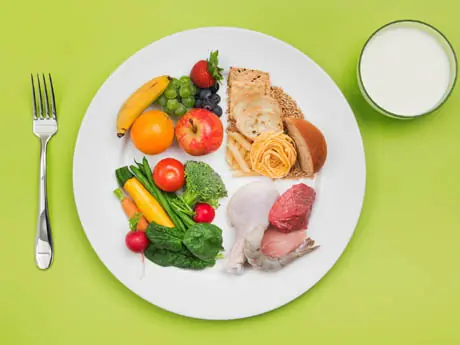
Quick answer: A balanced diet for children includes proteins, whole grains, fruits, vegetables, and dairy in appropriate portions daily — variety matters more than perfection, and small consistent servings work better than occasional large ones.
What a Balanced Diet for Children Should Include
- Proteins: dal, eggs, paneer, chicken, fish — essential for growth
- Whole grains: roti, brown rice, oats — steady energy through the day
- Fruits and vegetables: aim for at least 2-3 servings combined daily
- Dairy: milk, curd, cheese — important for calcium and bone development
- Healthy fats: nuts, seeds, ghee in moderate amounts
Picture a typical Indian school-going kid’s day — a rushed breakfast, canteen snacks, and a late dinner. It’s not ideal, but small fixes like a fruit in the tiffin box make a real difference over time.
Sample Balanced Diet Chart by Age Group
- Ages 4-6: Smaller, frequent meals — 3 main meals plus 2 snacks, focus on introducing variety
- Ages 7-12: Growing appetite, higher protein and calcium needs due to active growth phase
- Teens (13+): Increased calorie needs, especially for active or sports-involved kids
Dealing With Fussy Eaters
- Involve kids in meal prep — they’re often more willing to eat what they helped make
- Introduce new foods repeatedly, not just once (it can take 8-10 tries before acceptance)
- Avoid forcing or bribing with sweets — this often backfires long-term
- Keep meal times consistent and screen-free
Common Nutrient Deficiencies in Indian Children
Iron, Vitamin D, and calcium deficiencies are fairly common, especially in children who don’t get enough sunlight or dairy. If your child seems unusually tired or pale, it’s worth getting a basic checkup done.
[Link to related guide on common childhood illnesses here]
Suggested image alt text: “Colourful balanced diet for children plate with fruits, vegetables and protein”
FAQs
Q: How much milk does a child need daily? Generally 2-3 glasses a day is sufficient for most children, adjusted based on age and other dairy intake.
Q: Is it okay if my child skips vegetables some days? Occasional skipping is fine if overall weekly intake is reasonable — don’t stress over single days.
Q: What’s a good breakfast for a balanced diet for children? Options like vegetable poha, eggs with toast, or a fruit smoothie with nuts work well and are quick to prepare.
Q: Are supplements necessary for children with a balanced diet? Usually not, unless a doctor identifies a specific deficiency through testing.
Q: How can I make my child eat more vegetables? Try hiding them in parathas or smoothies initially, alongside repeated gentle exposure to whole vegetables.
Conclusion
Getting a balanced diet for children right is less about perfect meals every single day and more about consistent variety over weeks. Focus on including protein, grains, fruits, and dairy regularly, involve kids in food choices where possible, and don’t panic over the occasional skipped vegetable. Small, steady habits build lifelong healthy eating patterns.