Introduction
Staying active becomes even more important with age, not less — though many families assume rest is the safer option. The right exercises for senior citizens can genuinely reduce fall risk, improve mood, and help maintain independence for years longer. It doesn’t require a gym membership or intense workouts, just the right kind of consistent movement.
Why Exercise Matters More With Age
Muscle mass naturally declines by about 3-5% per decade after 30, accelerating further after 60. This directly affects balance, bone density, and even cognitive function. I’ve noticed families often discourage elderly parents from staying active out of fear of injury, when actually inactivity is the bigger risk.
Quick answer: Exercises for senior citizens should focus on strength, balance, and flexibility — walking, light resistance training, and yoga are among the safest and most effective options for maintaining independence.
Best Types of Exercises for Senior Citizens
- Walking — 20-30 minutes daily, low-impact and highly effective for heart health
- Chair exercises — great for those with limited mobility, still build strength
- Balance training — reduces fall risk significantly, even simple standing-on-one-leg practice helps
- Light resistance training — with bands or light weights, preserves muscle mass
- Yoga or stretching — improves flexibility and reduces joint stiffness
Picture an 68-year-old starting with just 10 minutes of chair yoga daily — within a couple of months, everyday tasks like getting up from a sofa often become noticeably easier.
A Simple Weekly Exercise Routine for Seniors
- Monday, Wednesday, Friday: 20-minute walk plus light stretching
- Tuesday, Thursday: Chair-based strength exercises, 15-20 minutes
- Saturday: Balance exercises and gentle yoga
- Sunday: Rest or a light leisurely walk
Safety Precautions Before Starting
- Always consult a doctor before starting a new routine, especially with existing conditions like heart disease or arthritis
- Start slow — 10 minutes is a perfectly fine starting point
- Wear proper supportive footwear
- Stay hydrated, even during light exercise sessions
Benefits Beyond Physical Health
Regular movement improves mood, sleep quality, and social connection when done in groups — many senior citizens genuinely look forward to their morning park walks as much for the company as the exercise itself.
[Link to related guide on managing diabetes in old age here]
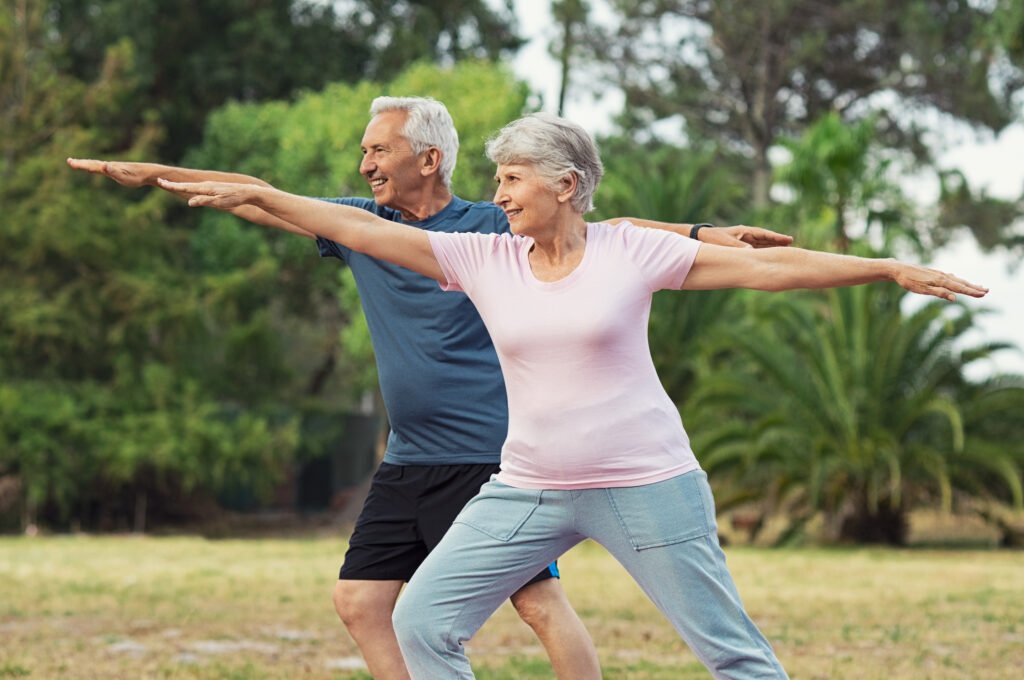
Suggested image alt text: “Elderly couple doing balance exercises in the park, part of senior citizen fitness routine”
FAQs
Q: What exercises are safest for senior citizens with joint pain? Water-based exercises, chair yoga, and gentle walking are typically easier on the joints than high-impact options.
Q: How often should senior citizens exercise? Most guidelines suggest at least 150 minutes of moderate activity weekly, spread across most days.
Q: Can exercise help prevent falls in the elderly? Yes, balance and strength training specifically reduce fall risk significantly by improving stability and reaction time.
Q: Is walking enough exercise for senior citizens? It’s a great foundation, but adding light strength and balance work provides more complete benefits.
Q: Should seniors with heart conditions avoid exercise entirely? Not usually — most benefit from doctor-approved light to moderate activity rather than complete inactivity.
Conclusion
The right exercises for senior citizens aren’t about intensity — they’re about consistency and safety. Starting small, focusing on balance and strength, and staying active most days of the week genuinely supports independence well into later years. Always check with a doctor first, then build a routine that feels sustainable and even enjoyable.