Somewhere along the way, “morning routine” became this Instagram-perfect thing involving cold plunges, 5 AM wake-ups, and a to-do list longer than most people’s entire day. Real talk — that’s not realistic for most of us, and it’s not even necessary.
A genuinely useful morning wellness routine doesn’t need to be elaborate. It needs to be consistent, and it needs to fit an actual human life — one with traffic, kids, deadlines, and days where you’re running late no matter what. Let’s talk about what actually moves the needle.
Why Mornings Matter More Than You Think
Quick answer: A consistent morning wellness routine sets your circadian rhythm, cortisol levels, and mental focus for the entire day, which is why the first hour after waking has an outsized effect on energy and mood.
Your body’s internal clock responds strongly to light exposure and consistency in the morning specifically. That’s not wellness-influencer talk — it’s basic circadian biology. Skip that window regularly, and your sleep quality and energy levels both tend to suffer over time.
Step 1: Get Light Exposure Early
Within 30-60 minutes of waking, get some natural light — even 5-10 minutes on a balcony or by an open window helps. This single habit has a bigger effect on your energy and sleep quality than most supplements ever will.
- Open your curtains as soon as you wake up
- Take your morning tea or coffee outside if possible
- On cloudy days, light exposure still helps more than staying indoors entirely
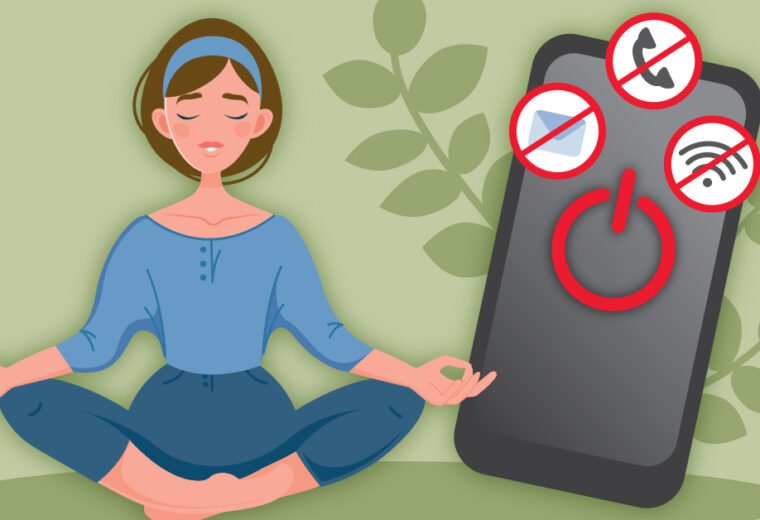
Step 2: Delay the Phone (Even Slightly)
I’ll admit, this one’s hard. Reaching for the phone first thing is basically automatic for most of us now. But starting your day by scrolling through news and messages tends to spike stress before you’ve even gotten out of bed.
Try just delaying it by 15-20 minutes. Not eliminating it — just pushing it back. That small buffer genuinely changes how the rest of the morning feels.
Step 3: Hydrate Before Caffeine
You lose water overnight just through breathing and sweating, so starting the day mildly dehydrated is common. A glass of water before your first cup of chai or coffee helps with alertness, digestion, and even mild headaches some people get in the morning.
Step 4: Move Your Body, Even Briefly
This doesn’t mean a full workout every single day. Even 10 minutes of stretching, a short walk, or a handful of sun salutations counts. Movement in the morning increases blood flow and genuinely helps mental clarity for the rest of the day.
- 10-minute walk around the block
- Basic stretching routine, especially for the back and shoulders
- Yoga or a few sun salutations if that’s your thing
Step 5: Eat Something With Actual Protein
Skipping breakfast or grabbing only carbs (hello, just toast or just tea and biscuits) leads to an energy crash by 11 AM for a lot of people. Adding some protein — eggs, paneer, sprouts, dahi, or nuts — helps sustain energy longer. [link to related nutrition guide here]
Step 6: Set One Clear Priority for the Day
Quick answer: Identifying just one clear priority each morning — rather than a long to-do list — reduces decision fatigue and helps you feel accomplished even on chaotic days.
Long to-do lists are honestly overwhelming and often demotivating. Picking one thing that genuinely matters today, and committing to getting that done, tends to work better psychologically than trying to plan out fifteen tasks before 8 AM.
Step 7: Avoid Rushing (Build in Buffer Time)
Rushing every single morning keeps your cortisol elevated before the day even begins. Waking up just 15-20 minutes earlier — genuinely, that’s often all it takes — creates enough buffer to avoid that frantic, late-for-everything feeling.
What a Realistic 30-Minute Version Looks Like
- 0-5 min: Get up, open curtains, drink water
- 5-10 min: Light stretching or short walk
- 10-20 min: Shower and get ready
- 20-30 min: Eat something with protein, review your one priority for the day
Has your current morning ever felt like pure chaos from the second your alarm goes off? Most people’s does — this simple structure fixes more of that than you’d expect.
FAQ
Q: How long does it take to build a morning wellness routine? Most habit research suggests somewhere between 3-8 weeks of consistency before a routine starts feeling automatic, though this varies by person and habit.
Q: Is waking up at 5 AM necessary for a good morning routine? Not at all — consistency in your wake time matters far more than the specific hour, whether that’s 5 AM or 7:30 AM.
Q: What should I eat first thing in the morning for energy? A combination of protein and complex carbs — like eggs with whole wheat toast, or dahi with fruit and nuts — tends to sustain energy better than sugary options.
Q: Does morning exercise have to be intense to count? No, even light movement like a 10-minute walk or stretching provides real benefits for circulation and mental clarity.
Q: How do I stick to a morning routine on weekends? Try to keep wake-up times within an hour of your weekday schedule; drastically different weekend sleep patterns can disrupt your overall rhythm.
Q: Can a bad morning ruin the whole day? It doesn’t have to — a rough start doesn’t determine everything, but a chaotic morning routine over weeks and months does add up to more stress and worse sleep over time.
Alt text suggestions:
- “Person stretching by a window in morning sunlight”
- “Healthy breakfast with eggs, dahi, and fruit”
- “Glass of water and morning tea on a table”
Conclusion
A good morning wellness routine isn’t about waking up before the sun or following some rigid influencer schedule — it’s about a handful of small, consistent habits that set your body and mind up properly. Pick two or three from this list and try them for two weeks before adding more. That’s genuinely enough to notice a real difference in how your days feel.