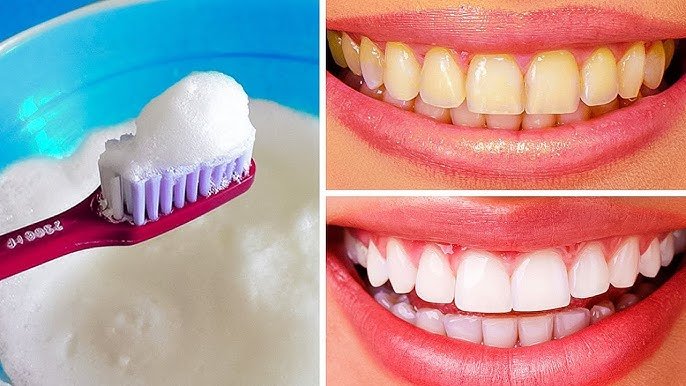
Somewhere on the internet right now, someone is recommending you scrub your teeth with a lemon and baking soda paste for a “natural glow.” Please don’t do that — it’s one of the fastest ways to damage your enamel permanently, and enamel doesn’t grow back once it’s gone.
There genuinely are safe, effective ways to learn how to whiten teeth naturally at home — they’re just less dramatic and slower than the viral hacks. Let’s separate what actually works from what just sounds good on social media.
Why Teeth Discolor in the First Place
Quick answer: Teeth discolor mainly from surface staining (tea, coffee, turmeric-heavy foods, tobacco) and from natural enamel thinning with age, which reveals the yellower dentin layer underneath — understanding which cause applies to you determines which whitening method will actually help.
- Surface stains: from tea, coffee, red wine, turmeric, tobacco — these respond well to whitening methods
- Age-related yellowing: enamel naturally thins over time, revealing dentin underneath — this responds less dramatically to surface treatments
- Certain medications or excessive fluoride exposure during childhood can also cause discoloration that’s harder to treat at home
Safe, Dentist-Approved Home Methods
- Oil pulling: swishing coconut or sesame oil for 10-15 minutes has some evidence for reducing surface bacteria and mild staining, though results are modest
- Baking soda, used correctly: mixed with water into a gentle paste, used sparingly (once or twice a week, not daily) can help remove surface stains without excessive abrasion
- Whitening toothpaste with hydrogen peroxide or PAP: genuinely effective for gradual surface stain removal over several weeks
- Electric toothbrush with proper technique: often removes surface stains more effectively than manual brushing alone
Picture someone drinking two to three cups of chai daily for years — surface staining from that habit is extremely common, and it’s also one of the more treatable types with consistent, gentle whitening methods.
What to Avoid Completely
Quick answer: Avoid lemon juice, undiluted vinegar, and aggressive baking soda scrubbing as teeth whitening methods, since their acidity or abrasiveness can permanently erode enamel, which does not regenerate once damaged.
- Lemon or vinegar rubbed directly on teeth: the acidity erodes enamel, sometimes permanently
- Charcoal powder used aggressively or daily: can be abrasive enough to damage enamel over time despite trending as a “natural” solution
- Excessive baking soda use: fine occasionally, damaging if used as a daily routine
- Strawberry and baking soda paste: another viral trend with more risk than benefit, due to the fruit acid combined with abrasive baking soda
Building Habits That Prevent New Staining
- Rinse with water after drinking tea, coffee, or wine, rather than letting it sit on teeth
- Use a straw for staining beverages when practical
- Brush about 30 minutes after consuming acidic foods or drinks, not immediately (brushing right after can spread the acid and worsen erosion)
- Limit turmeric-heavy dishes right before important events if staining is a specific concern, though this isn’t necessary for general health
Professional Options Worth Considering
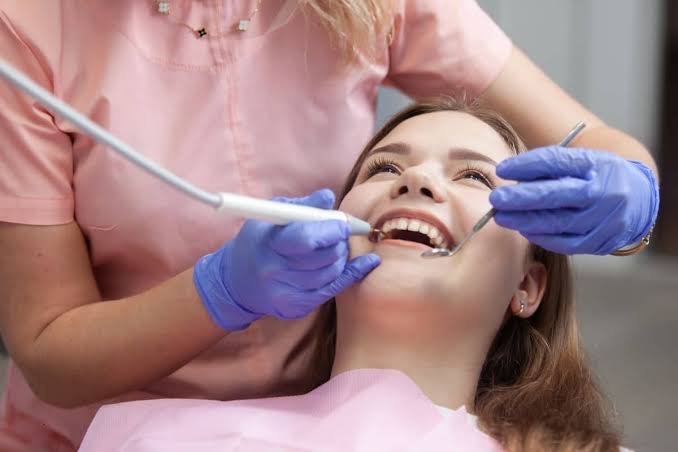
For more noticeable, faster results, in-office or dentist-supervised whitening remains significantly more effective and controlled than home remedies.
- In-office whitening: typically delivers visible results in a single session, though at a higher cost, often ₹5,000-₹15,000 depending on the clinic and city
- Take-home whitening kits from a dentist: custom trays with professional-grade gel, usually more affordable than in-office treatment while still supervised
- Over-the-counter whitening strips: reasonably effective for mild staining, generally safe when used as directed
How Long Do Natural Whitening Methods Actually Take?
Unlike professional treatments that show results in one session, natural and at-home methods typically take 4-8 weeks of consistent, gentle use to show a noticeable difference. Anyone promising dramatic overnight results with a home remedy is being unrealistic — that pace simply doesn’t match how enamel and staining actually work.
When Whitening Isn’t the Right Solution
Not all discoloration responds to whitening. Gray or dark stains from certain medications, dental trauma, or root canal treatment often need different approaches entirely, like veneers or bonding, rather than surface whitening methods. [link to related dental problems guide here]
FAQ
Q: Is oil pulling actually effective for teeth whitening? Oil pulling has modest evidence supporting reduced surface bacteria and mild stain reduction, though it’s not a substitute for regular brushing and shouldn’t replace proven whitening methods for stronger results.
Q: How often can I safely use baking soda on my teeth? Once or twice a week at most, used gently — daily use can be abrasive enough to wear down enamel over time.
Q: Are charcoal toothpastes safe for whitening? Many dentists caution against frequent use of charcoal-based products due to their abrasiveness, which can damage enamel over time despite marketing them as natural.
Q: How long does professional teeth whitening last? Results typically last 6 months to 2 years depending on diet, oral hygiene habits, and whether touch-up treatments are used.
Q: Can teeth whitening damage enamel? Professional, dentist-supervised whitening is generally safe when done correctly, but aggressive home remedies with acidic or overly abrasive ingredients can genuinely damage enamel permanently.
Q: Is it normal for teeth to be sensitive after whitening? Mild, temporary sensitivity is common after both professional and at-home whitening treatments and usually resolves within a few days.
Alt text suggestions:
- “Person smiling showing white teeth after whitening”
- “Natural teeth whitening ingredients like baking soda and oil”
- “Dentist showing take-home whitening kit to patient”
Conclusion
Real teeth whitening at home is possible, but it’s a gradual, gentle process — not the dramatic overnight transformation the internet often promises. Stick to genuinely safe methods, avoid the acidic and overly abrasive trends, and consider a dentist consultation if you want faster, more noticeable results. Your enamel doesn’t get a second chance once it’s damaged, so it’s worth being patient and careful here.