Introduction
That moment when your child suddenly feels warm or complains of a stomach ache — every parent knows the mild panic that follows. Understanding common childhood illnesses helps you tell the difference between something that needs a home remedy and something that needs urgent medical attention. Let’s go through the ones that show up most often.
Why Children Get Sick More Often
Kids’ immune systems are still developing, and school or daycare environments expose them to more germs. Frequent minor illnesses, especially colds, are actually a normal part of building immunity — not necessarily a sign something’s wrong.
Quick answer: The most common childhood illnesses include colds, flu, ear infections, stomach bugs, and chickenpox — most resolve within a week with rest and fluids, but persistent high fever needs medical evaluation.
Most Common Childhood Illnesses Parents Encounter
- Common cold and flu — frequent, especially during season changes
- Ear infections — common in younger children, often follows a cold
- Stomach bugs (gastroenteritis) — causes vomiting, diarrhoea, dehydration risk
- Chickenpox — less common now with vaccination but still seen
- Hand, foot and mouth disease — spreads quickly in daycare settings
A neighbour’s toddler had recurring ear infections every couple of months last year — turned out to be linked to how she was being bottle-fed while lying flat. A small posture change during feeding made a noticeable difference.
Warning Signs That Need Immediate Medical Attention
- Fever above 104°F (40°C), or fever in infants under 3 months
- Difficulty breathing or persistent wheezing
- Signs of dehydration — dry lips, no tears while crying, reduced urination
- Unusual drowsiness or difficulty waking up
- Rash that doesn’t fade when pressed (a genuine red flag)
Home Care for Mild Childhood Illnesses
- Keep the child hydrated — ORS solution works well for stomach bugs
- Rest is non-negotiable, even if the child seems fine
- Use fever-reducing medication only as advised by a pediatrician, with correct dosing
- Isolate from other children when illness is contagious, like chickenpox
Preventing Common Childhood Illnesses
Regular handwashing habits, up-to-date vaccinations, and a generally balanced diet go a long way. Sleep also plays a bigger role in immunity than most parents realise.
[Link to related guide on balanced diet for children here]
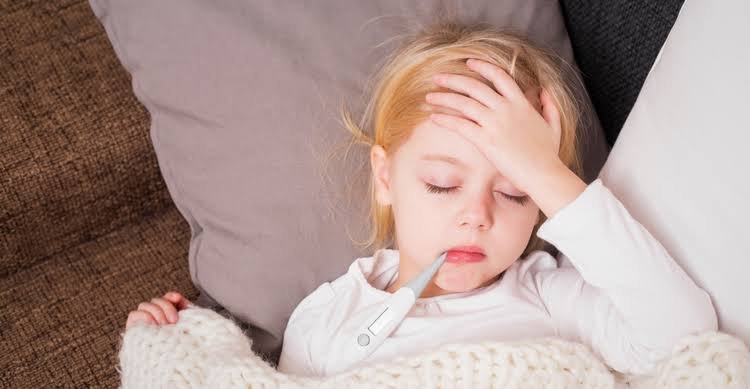
Suggested image alt text: “Parent checking child’s temperature for common childhood illnesses symptoms”
FAQs
Q: How long does a common cold usually last in children? Typically 7-10 days, though a lingering cough can persist a bit longer even after other symptoms clear.
Q: When should I take my child to the doctor for fever? If fever crosses 104°F, lasts more than 3 days, or is accompanied by rash, breathing trouble, or lethargy.
Q: Are common childhood illnesses more frequent in daycare settings? Yes, close contact with other children increases exposure, especially in the first year of daycare attendance.
Q: Is it normal for children to get sick often? Yes, especially under age 5 — it’s part of normal immune system development, though patterns should still be monitored.
Q: Can diet help prevent common childhood illnesses? A balanced diet supports immune function, though it won’t eliminate illness entirely — hygiene and vaccination matter just as much.
Conclusion
Knowing the signs of common childhood illnesses helps you respond calmly instead of anxiously guessing. Most illnesses are mild and resolve with rest, fluids, and basic home care — but learn to recognise the genuine red flags that need a doctor’s attention right away. When in doubt, a quick call to your pediatrician is always worth it.