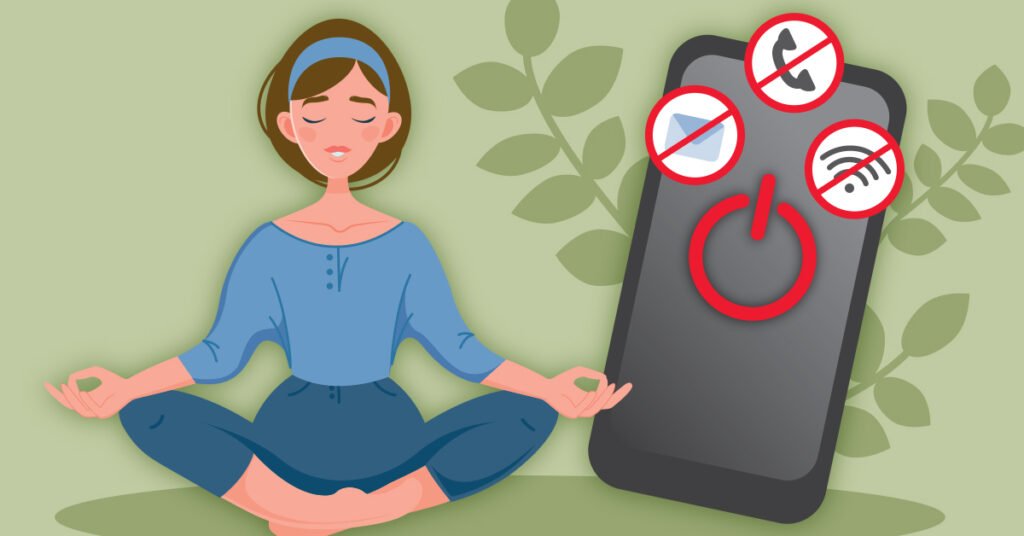
Check your screen time report right now. Go on, actually look. Most people are genuinely shocked by the number — six, seven, sometimes eight-plus hours a day, and that’s often not even counting work-related screen use.
You don’t need to move to a cabin in the mountains to fix this. These digital detox tips are built for actual life — jobs that require screens, families that use WhatsApp for everything, and a world where going fully offline just isn’t realistic for most people in 2026.
Why a Digital Detox Actually Matters
Quick answer: Excessive screen time, especially social media, has been consistently linked to increased anxiety, poorer sleep quality, and shorter attention spans, which is why even small reductions in unnecessary screen use can noticeably improve mood and focus.
It’s not that screens are inherently evil — they’re tools. But the constant notifications, comparison-driven social feeds, and blue light exposure late at night genuinely add up. I’ve noticed in myself that the days I check my phone less, I sleep better and feel less scattered, full stop.
Start With Awareness, Not Restriction
Before cutting anything, just track it for a week. Most phones have built-in screen time tools now. Seeing the actual number — and which apps eat the most time — is often more motivating than any productivity advice.
- Check your weekly screen time report
- Note which app takes up the most time (usually social media or messaging)
- Notice the times of day you reach for your phone automatically
Create Phone-Free Zones
Quick answer: Designating specific phone-free zones — like the bedroom, dinner table, and bathroom — reduces mindless checking without requiring willpower for the rest of the day.
- Bedroom: charge your phone outside the room, or across the room at minimum
- Dinner table: keep it in another room or a drawer during meals
- Bathroom: sounds small, but this habit alone cuts a surprising amount of scroll time
Turn Off Non-Essential Notifications
Picture someone whose phone buzzes 150 times a day — most of it social media likes, promotional emails, and app updates nobody asked for. Turning off notifications for everything except calls, messages, and genuinely important apps removes most of the pull to check your phone reflexively.
- Disable notifications for social media apps entirely
- Keep notifications on only for calls, messages, and essential work apps
- Batch-check email and social media at set times instead of constantly
Try a Structured Detox Period
- 1-hour version: No screens for the first hour after waking and the last hour before bed
- Half-day version: One weekend afternoon completely screen-free, doing something physical or social instead
- Full-day version: One day a week (a lot of people pick Sunday) with minimal to no non-essential screen use
Start small. Trying to go cold turkey for a full week often backfires and leads to burnout on the habit itself within days.
Replace, Don’t Just Remove
Simply removing screen time without replacing it with something else usually doesn’t stick. Boredom creeps in, and the phone comes right back out.
- Reading a physical book or magazine
- A short walk outside, ideally with some natural light
- Cooking something, even something simple
- Calling a friend or family member instead of texting
Watch Out for “Digital Detox” Turning Into Its Own Stress
Ironically, some people turn detoxing itself into a source of anxiety, constantly checking if they’re “doing it right” or feeling guilty about slip-ups. That defeats the purpose entirely. This is meant to reduce stress, not add a new source of it. Missing a day is completely fine — just get back to it the next.
Use Technology to Fight Technology
- App timers and screen time limits built into your phone
- Grayscale mode, which genuinely makes apps less visually addictive
- Website blockers for browser-based distractions during work hours
FAQ
Q: How long should a digital detox last to see real benefits? Even a single day of reduced screen use can improve sleep and mood; sustained changes usually show up more clearly after 2-3 consistent weeks.
Q: Is it realistic to do a full digital detox if I work on a computer? Yes — the goal isn’t zero screen time but reducing unnecessary use, especially social media and passive scrolling, rather than eliminating necessary work use.
Q: What’s the best time of day to avoid screens? The first hour after waking and the last hour before bed tend to have the biggest impact on sleep quality and daily focus.
Q: Does blue light from screens really affect sleep? Yes, blue light can suppress melatonin production, though the timing and duration of screen use before bed matters more than blue light alone.
Q: How do I get my kids to reduce screen time too? Modeling the behavior yourself matters more than rules alone — kids notice when parents are constantly on their phones, regardless of what’s said.
Q: Can social media detoxing actually reduce anxiety? Many people report reduced anxiety and improved mood within just a few weeks of reducing social media specifically, given its comparison-heavy nature.
Alt text suggestions:
- “Phone with screen time tracking app open”
- “Person reading a book instead of using phone”
- “Family having dinner without phones at the table”
Conclusion
A digital detox doesn’t mean throwing your phone in a drawer forever — it means being intentional about when and why you’re using it. Start with one phone-free zone this week, whether that’s your bedroom or the dinner table, and build from there. Your attention span, sleep, and mood will likely thank you within a couple of weeks.